Cinematic vs Traditional Wedding Photography Explained
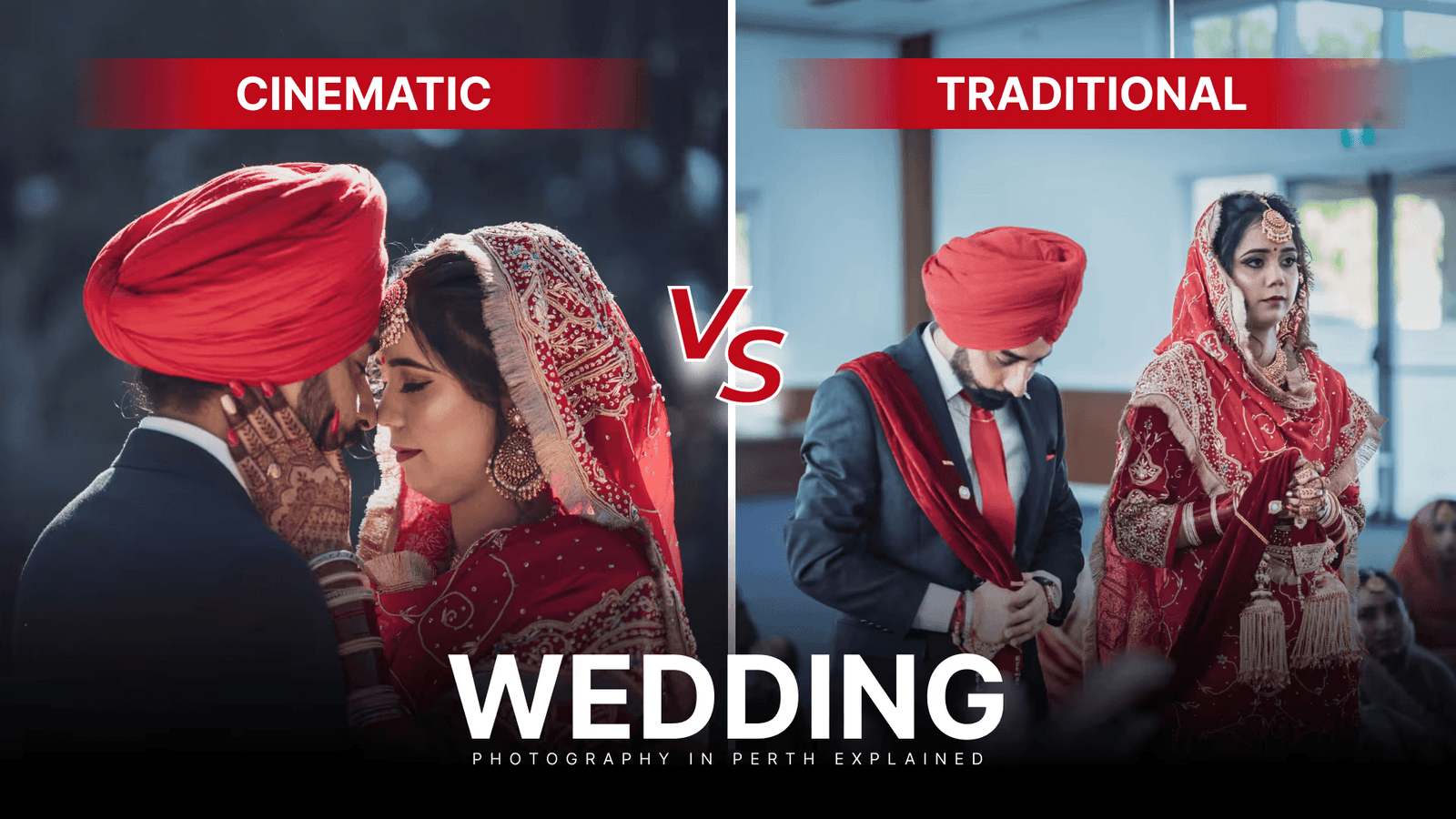
Cinematic style focuses on emotion, mood and movement, shot in a way that feels close to film. Traditional style focuses on complete, evenly lit coverage of every event, ritual and guest. Most Perth couples now book a mix of both styles for their wedding day, rather than picking only one.
This guide breaks down what each style actually gives you, in plain terms, so you know what to expect before you book a Perth cinematic photographer.
What This Style Actually Looks Like
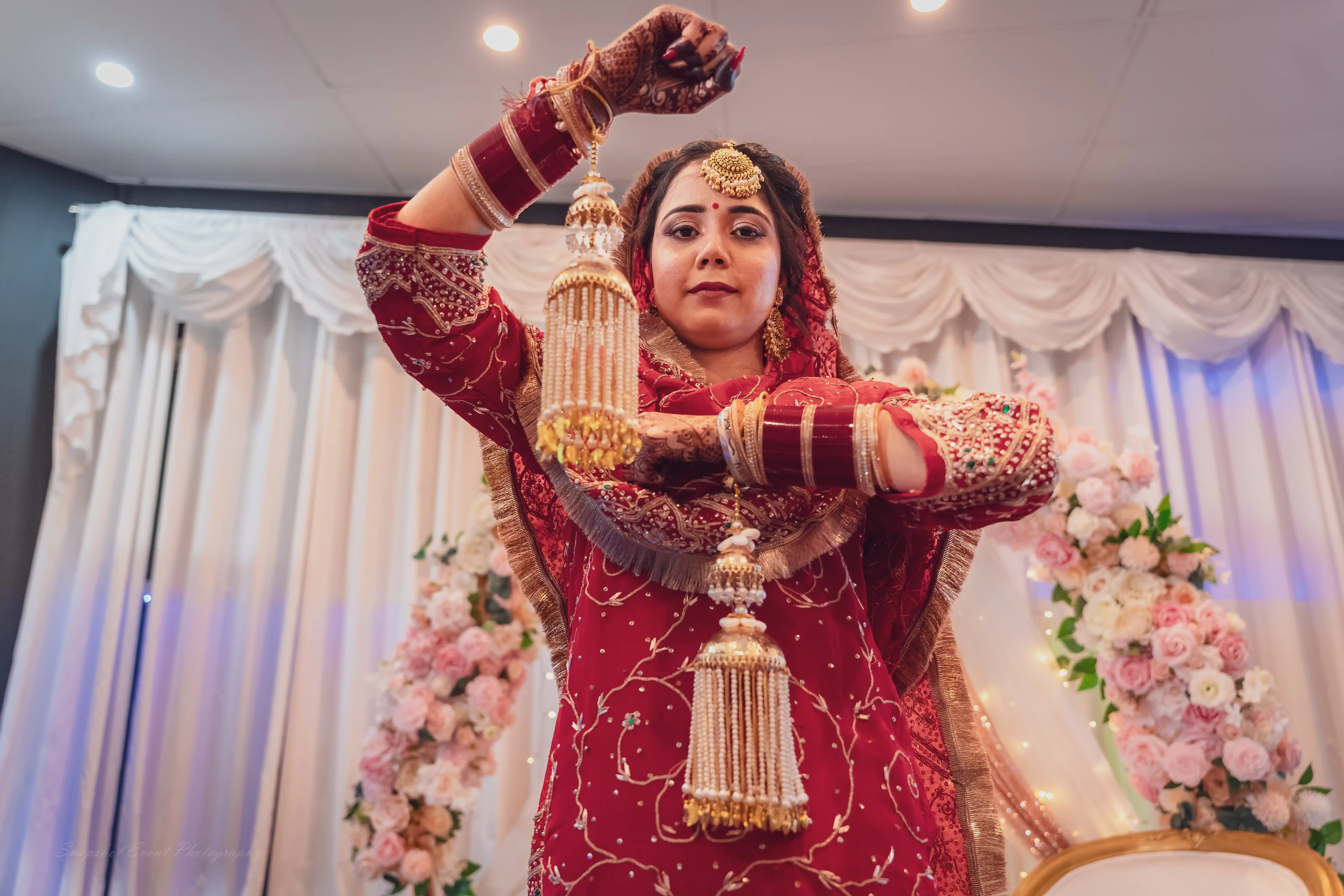
Cinematic wedding photography treats your wedding day like a story rather than a checklist. The photographer looks for real moments, a glance, a reaction, a hand on a shoulder, instead of posed group shots. Light is used with intent. Shadows are kept rather than filled in. Colours are graded to feel warm or moody instead of flat and even.
The result reads like a film in still form. Frames tend to be wide. Backgrounds are chosen with care. Even posed portraits are directed like a scene, with attention to where the light falls and what is happening around the couple. This is the style couples usually mean when they save wedding photos that feel more like a movie still than a snapshot.
Where Video Fits Into the Picture
Wedding cinematography is the video side of the same approach. A wedding film built with cinematic technique uses slow motion, natural sound and a clear story arc, from morning preparation through to the last dance, rather than a raw recording of the ceremony.
A good wedding film does not just show what happened. It carries the feeling of the day, the nerves before the ceremony, the noise of the reception, the quiet moment between the couple before they walk out to family and friends.
What Traditional Wedding Photography Covers?
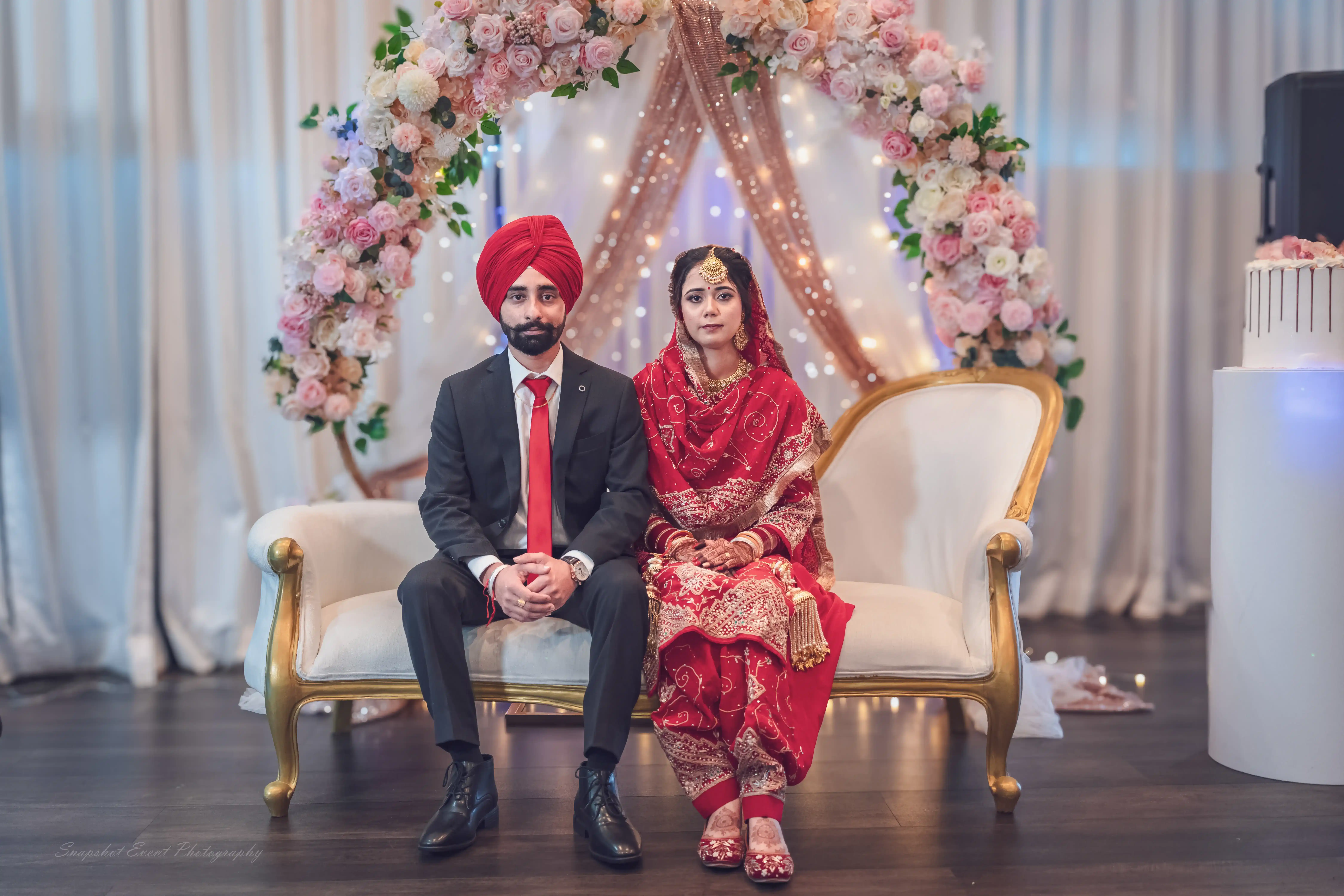
Traditional wedding photography has one main job. Cover everything. Every family combination, every ritual, every guest table gets photographed in even, flattering light. Poses are structured and repeatable, so nothing important gets missed. Where cinematic wedding photography leans into mood and a handful of standout frames, traditional coverage leans into completeness.
This approach matters most at large or multi day weddings, especially South Asian ceremonies such as the sagan, the mehndi and the anand karaj, where families want a full and accurate record of each event and each relative who attended. Nobody wants to learn later that an aunt who flew in from overseas was never actually photographed. Guests also tend to appreciate a photographer who moves efficiently through group shots, since long formal photo sessions can eat into time meant for the reception itself.
Cinematic and Traditional, Side by Side
Here is cinematic vs traditional wedding photography broken down side by side, so the differences are easy to scan.
| Cinematic | Traditional | |
|---|---|---|
| Focus | Emotion and storytelling | Complete coverage and documentation |
| Style of light | Moody, directional, dramatic | Even, bright, flattering |
| Posing | Directed candids, natural movement | Structured group and couple poses |
| Editing | Filmic tones, selective highlights | Natural, true to life colour |
| Best for | An artistic, emotive story | A full, accurate family record |
| Album feel | A short film in stills | A detailed family archive |
You Rarely Need to Pick Only One
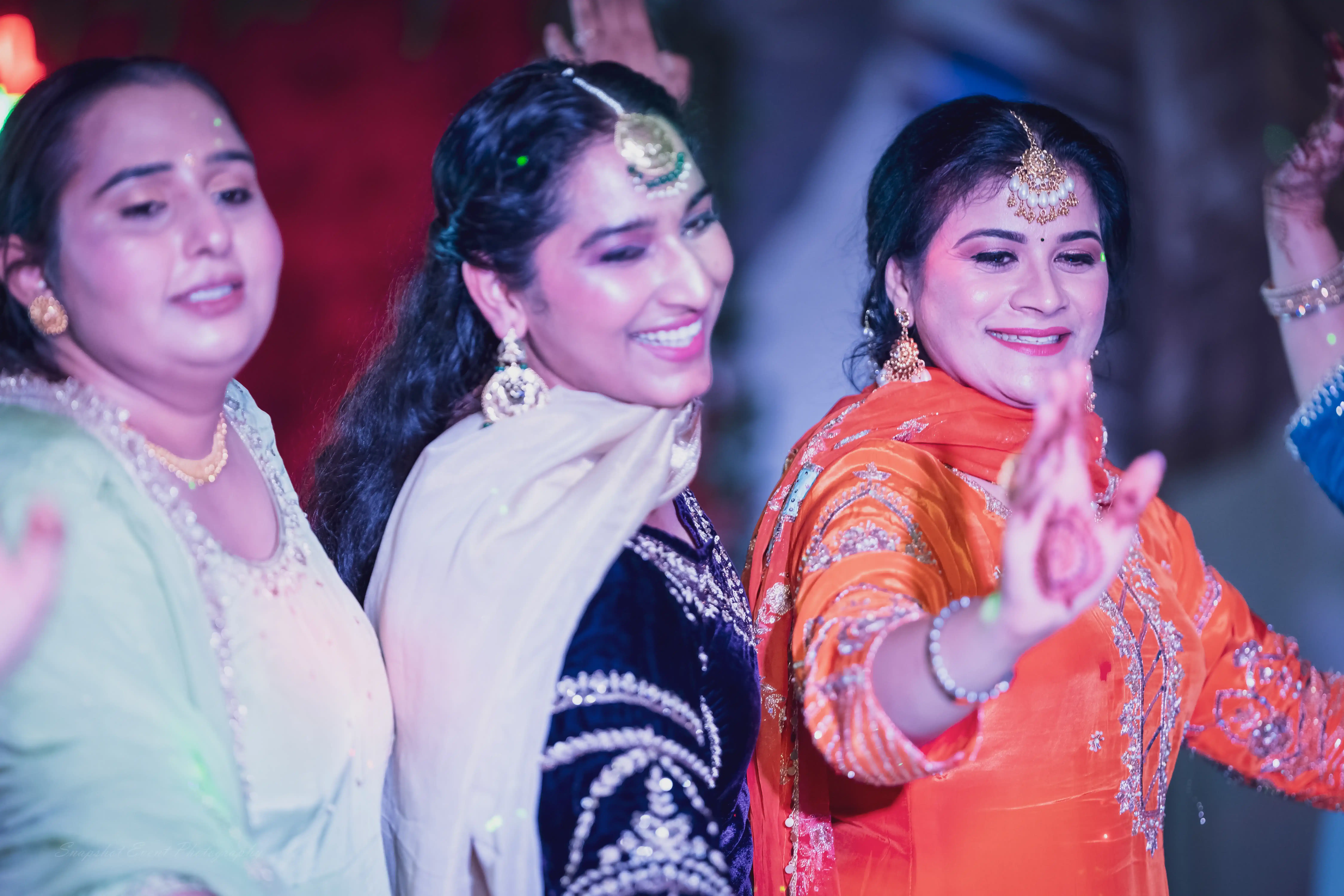
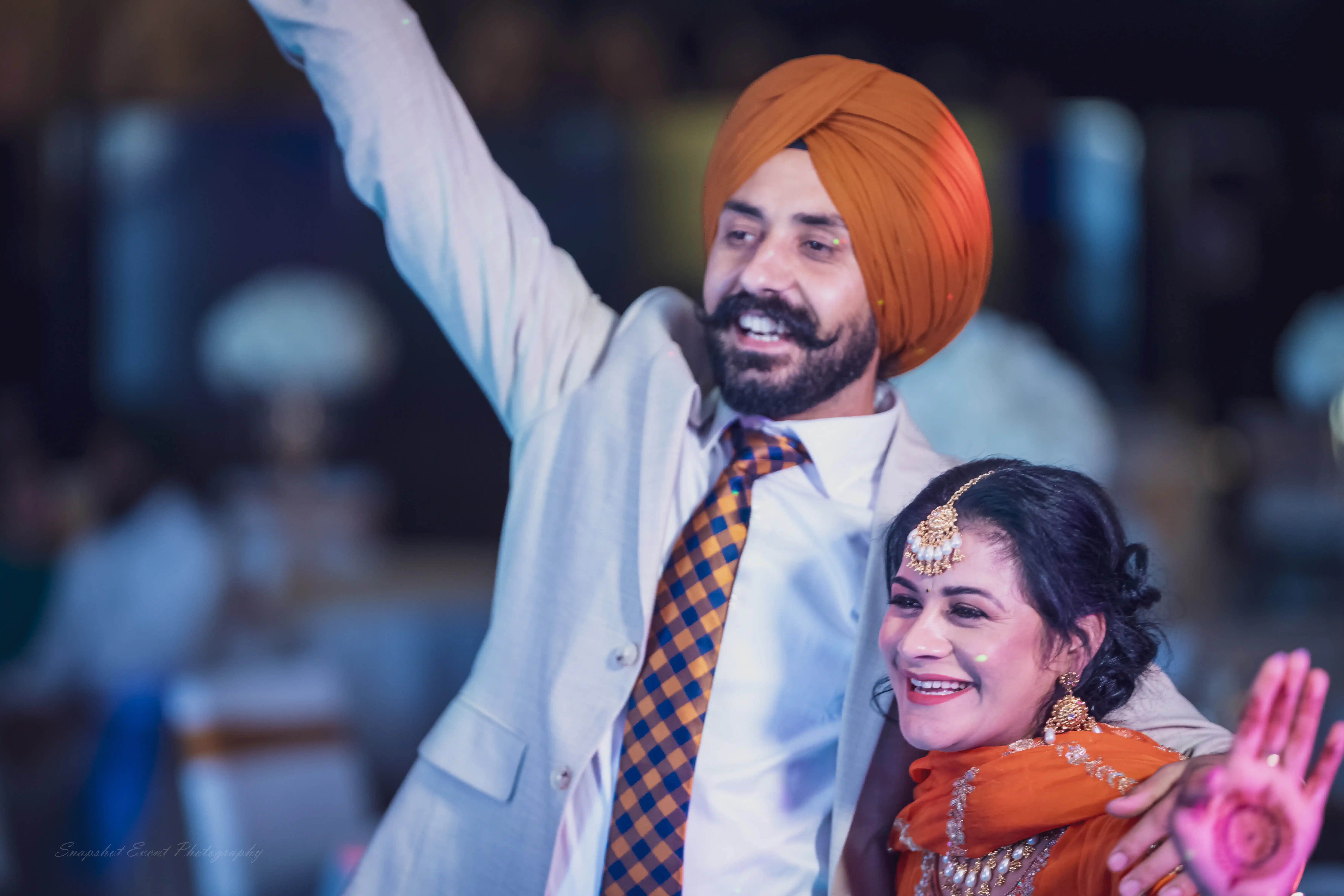
Most modern Perth weddings blend both approaches. Formal portraits, family groups and ceremony details get traditional coverage, so every relative is documented clearly. Getting ready moments, the first look, couple portraits at golden hour and the reception dance floor get cinematic treatment, built around emotion rather than completeness.
This is what separates a strong wedding photography and videography team from an average one. They know which moments need documenting in full and which moments need to be felt, and they move between the two without making the day feel staged or rushed.
Why the Right Style Matters?
A wedding album and film are two of the few things that outlast the day itself. Years later, nobody remembers the seating plan. They remember how the light looked when they walked in, or the way a parent's face changed during the vows. That is what a cinematic approach protects. At the same time, a complete photo record protects the memory of who was actually there, which matters just as much once the day has passed. Couples who only choose one style sometimes regret it later. Too much cinematic focus can leave gaps in the family record, while too much traditional focus can leave an album that feels flat when you look back on it.
What to Expect on the Day?
A blended approach usually starts traditionally, with family portraits handled early and efficiently while everyone is still dressed and energised. Once the formal shots are done, the photographer shifts into a more observational mode, staying close but out of the way, letting the reception unfold naturally. Couples often notice this shift themselves. The posed section feels organised and quick. The rest of the day feels like it is simply being witnessed rather than directed.
How to Choose a Perth Cinematic Photographer?
- Look at full wedding galleries, not just single highlight shots.
- Ask how the team handles large, multi ceremony weddings.
- Check if photography and video are offered together, since one team on the day keeps things running smoother.
- Watch a full wedding film if one is available, not just a short highlight reel.
- Ask directly how they balance cinematic and traditional coverage on the day.
Choosing the right photographer comes down to trust in their judgement and experience, not just their portfolio.
Frequently Asked Questions
What is the difference between cinematic and traditional wedding photography?
The cinematic approach focuses on emotion, mood and storytelling, using dramatic light and candid moments. The traditional approach focuses on complete, evenly lit coverage of every event and family member, so nothing is missed.
What is wedding cinematography?
It is a wedding video filmed with cinematic technique, such as slow motion, natural sound and a clear story structure, rather than a straight recording of the ceremony and speeches.
Do I need both wedding photography and videography?
Not always, but most couples find a combined package gives a fuller record of the day, since photos and film capture different things and work well together in an album or online gallery.
Which style suits a Perth wedding better?
It depends on the venue and the families involved. Coastal or outdoor Perth locations suit cinematic portraits well. Indoor hall receptions with large families often need stronger traditional coverage to make sure everyone is documented.
Ready to Capture Your Moments
Your wedding happens once. The way it is captured is what you will return to for years, in a quiet moment on a random Tuesday, or when you want to relive the day with your kids one day. That is the whole reason cinematic and traditional styles both matter. They protect different parts of the same memory.
If you want a team that knows exactly when to step back and simply watch, and when to step in and guide the moment, we would love to be part of your day. Reach out and tell us about your wedding. We will walk you through how we blend cinematic and traditional coverage for your venue, your families, and the moments you do not want to lose.
Ready to plan your wedding photography? Get in touch with Snapshot Cinemotions to check availability and lock in your golden-hour slot.